
Seasonal Travel 2026: Chasing the Northern Lights in Scandinavia
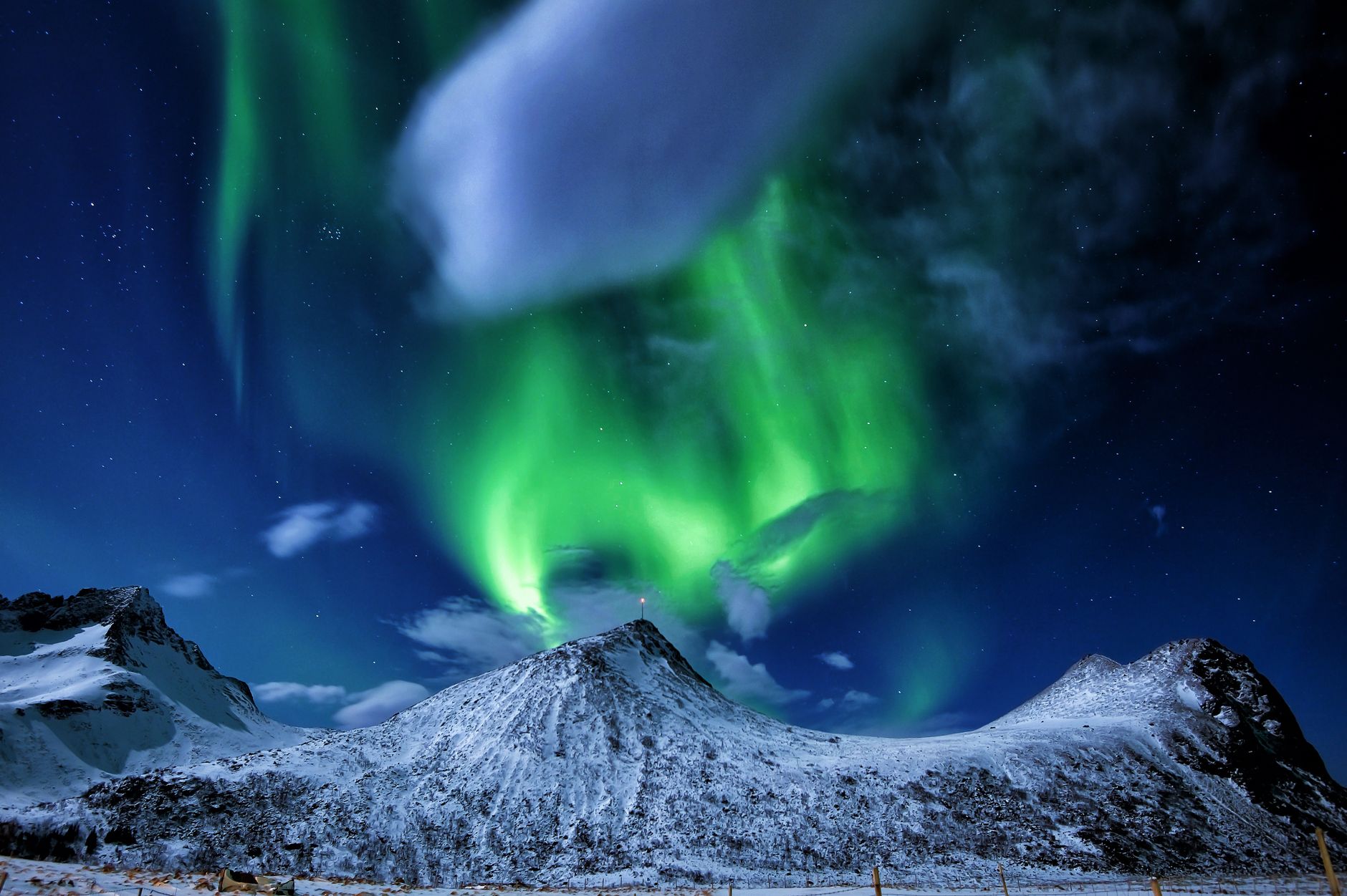
The Northern Lights in Scandinavia captivate travelers with their mesmerizing dance of colors across the night sky. This natural phenomenon, scientifically known as the aurora borealis, occurs when charged particles from the sun collide with Earth’s atmosphere, creating a stunning display of green, pink, and violet hues. Scandinavia, with its vast, open landscapes and minimal light pollution, offers some of the best opportunities to witness this spectacle. Understanding the science behind the Northern Lights enhances the experience, making it not just a visual delight but also an educational journey.
Understanding the Northern Lights Phenomenon
The Northern Lights, or aurora borealis, are the result of solar wind particles colliding with gases in Earth’s atmosphere. These interactions predominantly occur near the magnetic poles, making Scandinavia a prime location for viewing. The colors seen in the aurora are determined by the type of gas involved in the collision. Oxygen at higher altitudes produces red and green lights, while nitrogen results in purples and blues. This natural light show is not only a visual spectacle but also a fascinating scientific event that has intrigued humans for centuries.
Historically, the Northern Lights have been the subject of numerous myths and legends. In Scandinavian folklore, they were often seen as the spirits of ancestors or as omens of war and change. Today, while we understand the scientific basis of the aurora, the mystical allure remains. The unpredictability of the lights adds to their charm, as no two displays are ever the same. This variability is due to changes in solar activity, which can be monitored to predict when the lights might appear.
The best way to appreciate the Northern Lights is to understand the conditions that lead to their occurrence. Solar activity, measured by the solar cycle, peaks approximately every 11 years, with the next peak expected around 2025-2026. This peak period increases the likelihood of strong auroral displays, making it an ideal time for travelers to plan their trips to Scandinavia. By understanding these cycles, travelers can maximize their chances of witnessing this breathtaking phenomenon.
- Learn about the science behind the Northern Lights to enhance your viewing experience.
- Familiarize yourself with the solar cycle to plan your trip during peak activity.
- Explore the cultural myths and legends associated with the aurora borealis.
Best Time to Witness the Northern Lights in Scandinavia
The optimal time to witness the Northern Lights in Scandinavia is during the winter months, from late September to March. During this period, the nights are longest, providing ample darkness for the aurora to be visible. The winter solstice marks the peak of darkness, offering the best conditions for viewing. However, travelers should be prepared for the cold temperatures and potentially harsh weather conditions typical of the Scandinavian winter.
Clear skies are essential for viewing the Northern Lights, as clouds can obscure the display. It’s advisable to monitor weather forecasts and choose nights with minimal cloud cover. Additionally, avoiding periods of full moon can enhance visibility, as the moonlight can wash out the aurora’s colors. The best time to view the lights is generally between 10 PM and 2 AM, when the sky is darkest.
It’s important to note that while the Northern Lights are more frequent during the winter, they are not guaranteed. Patience and flexibility are key, as the aurora is a natural phenomenon influenced by solar activity and weather conditions. Travelers should plan to spend several nights in the region to increase their chances of witnessing the lights. By understanding these factors, travelers can better prepare for their Northern Lights adventure.
- Plan your trip between late September and March for the best viewing opportunities.
- Check weather forecasts to select nights with clear skies.
- Avoid full moon periods to enhance aurora visibility.

Handy Tool: To make your next trip seamless, secure, and stress-free, use our recommended platform below:
Top Locations in Scandinavia for Northern Lights Viewing
Scandinavia offers several prime locations for viewing the Northern Lights, each with its unique charm. Northern Norway, particularly the Tromsø region, is renowned for its stunning auroral displays. The area’s coastal climate often results in clearer skies, making it a popular choice for aurora hunters. Additionally, the Lofoten Islands offer dramatic landscapes that provide a picturesque backdrop for the lights.
Swedish Lapland, with its expansive wilderness and minimal light pollution, is another excellent destination. The town of Kiruna serves as a gateway to the region, offering various tours and activities centered around the Northern Lights. Visitors can also explore the nearby Abisko National Park, known for its unique microclimate that often results in clear skies.
Finnish Lapland is equally captivating, with its snow-covered forests and serene lakes. The town of Rovaniemi, located on the Arctic Circle, provides a magical setting for viewing the aurora. Visitors can also experience traditional Finnish saunas and reindeer sleigh rides, adding to the allure of the region. Each of these locations offers a distinct experience, allowing travelers to choose based on their preferences and interests.
- Visit Tromsø in Northern Norway for frequent auroral displays.
- Explore Swedish Lapland for its wilderness and clear skies.
- Experience Finnish Lapland’s unique cultural offerings alongside the aurora.

Preparing for Your Northern Lights Adventure
Preparation is key to a successful Northern Lights adventure in Scandinavia. Given the cold temperatures, especially during winter, appropriate clothing is essential. Layering is recommended, with thermal undergarments, insulated jackets, and waterproof outerwear. Accessories such as hats, gloves, and thermal socks are also crucial to staying warm during long hours outdoors.
In addition to clothing, travelers should equip themselves with the right gear for photography. A DSLR or mirrorless camera with manual settings is ideal for capturing the aurora. A sturdy tripod is necessary to stabilize the camera during long exposure shots. It’s also helpful to familiarize yourself with night photography techniques before your trip to ensure you can capture the lights effectively.
Travelers should also consider the logistics of their trip, including transportation and accommodation. Renting a car provides flexibility to chase the lights across different locations. Accommodations ranging from cozy cabins to luxury lodges are available, offering various levels of comfort and amenities. Planning these details in advance can enhance the overall experience and ensure a memorable adventure.
- Dress in layers with thermal and waterproof clothing for warmth.
- Bring a DSLR or mirrorless camera with a tripod for photography.
- Consider renting a car for flexibility in chasing the lights.
Tips to Maximize Your Northern Lights Experience
To maximize your chances of seeing the Northern Lights in Scandinavia, it’s important to stay informed about solar activity and weather conditions. Various apps and websites provide real-time aurora forecasts, helping travelers plan their outings. Staying flexible with your schedule allows you to take advantage of sudden clear skies or increased solar activity.
Joining guided tours can also enhance your experience. Local guides possess extensive knowledge of the best viewing spots and can offer insights into the cultural significance of the aurora. These tours often include transportation and equipment, reducing the stress of planning and allowing you to focus on enjoying the spectacle.
Lastly, patience is crucial. The Northern Lights are unpredictable, and it may take several nights to witness a display. Embrace the opportunity to explore the surrounding landscapes and engage in other activities while waiting. By maintaining a positive attitude and being prepared, you can fully enjoy the magic of the Northern Lights in Scandinavia.
- Use apps and websites for real-time aurora forecasts.
- Consider joining guided tours for expert insights and convenience.
- Be patient and flexible to increase your chances of seeing the lights.
Cultural Experiences to Complement Your Trip
While the Northern Lights are a major draw, Scandinavia offers a wealth of cultural experiences to enrich your trip. In Norway, visitors can explore Sami culture, learning about the indigenous people’s traditions and way of life. Reindeer herding and traditional handicrafts provide a glimpse into this unique heritage.
Sweden’s Icehotel in Jukkasjärvi is a must-visit attraction, offering a one-of-a-kind experience of sleeping in a room made entirely of ice and snow. The hotel is rebuilt each year with new designs, making each visit unique. Additionally, Swedish Lapland offers opportunities to learn about the local wildlife and participate in activities such as dog sledding and snowshoeing.
In Finland, the city of Rovaniemi is known as the official hometown of Santa Claus, offering a magical experience for visitors of all ages. The Arktikum museum provides insights into Arctic life and the natural history of the region. These cultural experiences complement the natural wonder of the Northern Lights, creating a well-rounded and memorable trip.
- Explore Sami culture and traditions in Norway.
- Visit the Icehotel in Sweden for a unique overnight stay.
- Experience the magic of Rovaniemi, Finland, the hometown of Santa Claus.
Travel and Accommodation Options
Traveling to Scandinavia to see the Northern Lights involves careful planning, especially regarding transportation and accommodation. Major airports in cities like Tromsø, Kiruna, and Rovaniemi provide convenient access to prime aurora viewing locations. From these hubs, travelers can rent cars or use local transportation to reach more remote areas.
Accommodation options in Scandinavia range from budget-friendly hostels to luxurious lodges. Many establishments offer special Northern Lights packages, which may include guided tours, photography workshops, and other activities. Staying in accommodations with large windows or glass igloos can enhance the experience, allowing you to watch the aurora from the comfort of your room.
Booking in advance is recommended, especially during peak Northern Lights season. This ensures availability and often better rates. Additionally, consider the location of your accommodation in relation to light pollution. Staying in rural areas away from city lights increases the likelihood of seeing the Northern Lights in Scandinavia, making your trip more rewarding.
- Fly into major hubs like Tromsø, Kiruna, or Rovaniemi for easy access.
- Choose accommodations offering Northern Lights packages for added value.
- Book early to secure the best rates and availability during peak season.