
Flight Guide 2026: Navigating the World of Drone-Powered Air Travel
Drone-powered air travel is set to revolutionize the aviation industry by 2026, offering unprecedented changes in how we perceive and engage with air travel. As drones become more integrated into commercial air travel, they promise to deliver more direct routes, potentially reducing travel time and altering traditional flight paths. This transformation is not only about technological advancement but also involves adapting to new regulations and understanding the implications on safety and privacy.
The Rise of Drone Technology in Air Travel
The integration of drones into air travel is a significant technological leap that promises to redefine the aviation landscape. By 2026, drone technology is expected to be a common feature in commercial air travel, providing faster and more efficient routes. This shift is driven by advancements in drone capabilities, including enhanced navigation systems and increased payload capacities, which enable drones to cover longer distances and carry more passengers or cargo.
Drone-powered air travel offers the potential for more direct flight paths, bypassing traditional air traffic routes. This can lead to reduced travel times and increased efficiency in airspace management. The ability of drones to operate autonomously also opens up possibilities for flights in regions with limited airport infrastructure, thus expanding access to remote areas.
The rise of drone technology in air travel is not without its challenges. Safety and privacy concerns are paramount, as the operation of drones in shared airspace requires robust systems to prevent collisions and ensure passenger security. Additionally, the development of international standards and regulations is crucial to facilitate the seamless integration of drones into global air travel networks.
- Stay informed about the latest drone technology advancements.
- Understand how drones can offer more direct and efficient routes.
- Consider the implications of drone technology on travel times.

Understanding Drone Regulations and Safety
As drone-powered air travel becomes more prevalent, understanding the regulatory landscape is essential. Regulations for drone air travel are still being developed and may vary significantly by country, impacting how drones are integrated into national airspace systems. These regulations are designed to ensure the safe operation of drones, protect passenger privacy, and manage air traffic effectively.
Safety is a critical concern in the adoption of drone technology for air travel. Drones must be equipped with advanced collision avoidance systems and reliable communication links to ensure they can safely navigate crowded airspaces. The development of standardized safety protocols is essential to build public trust and ensure the successful integration of drones into commercial aviation.
Privacy concerns also play a significant role in shaping drone regulations. As drones are capable of capturing high-resolution images and data, regulations must address how this information is collected, stored, and used to protect individual privacy rights. Balancing the benefits of drone technology with these concerns is crucial for its widespread acceptance.
- Familiarize yourself with drone regulations in your country.
- Stay updated on international drone safety standards.
- Understand privacy implications of drone data collection.
How Drone Flights Will Change Travel Booking
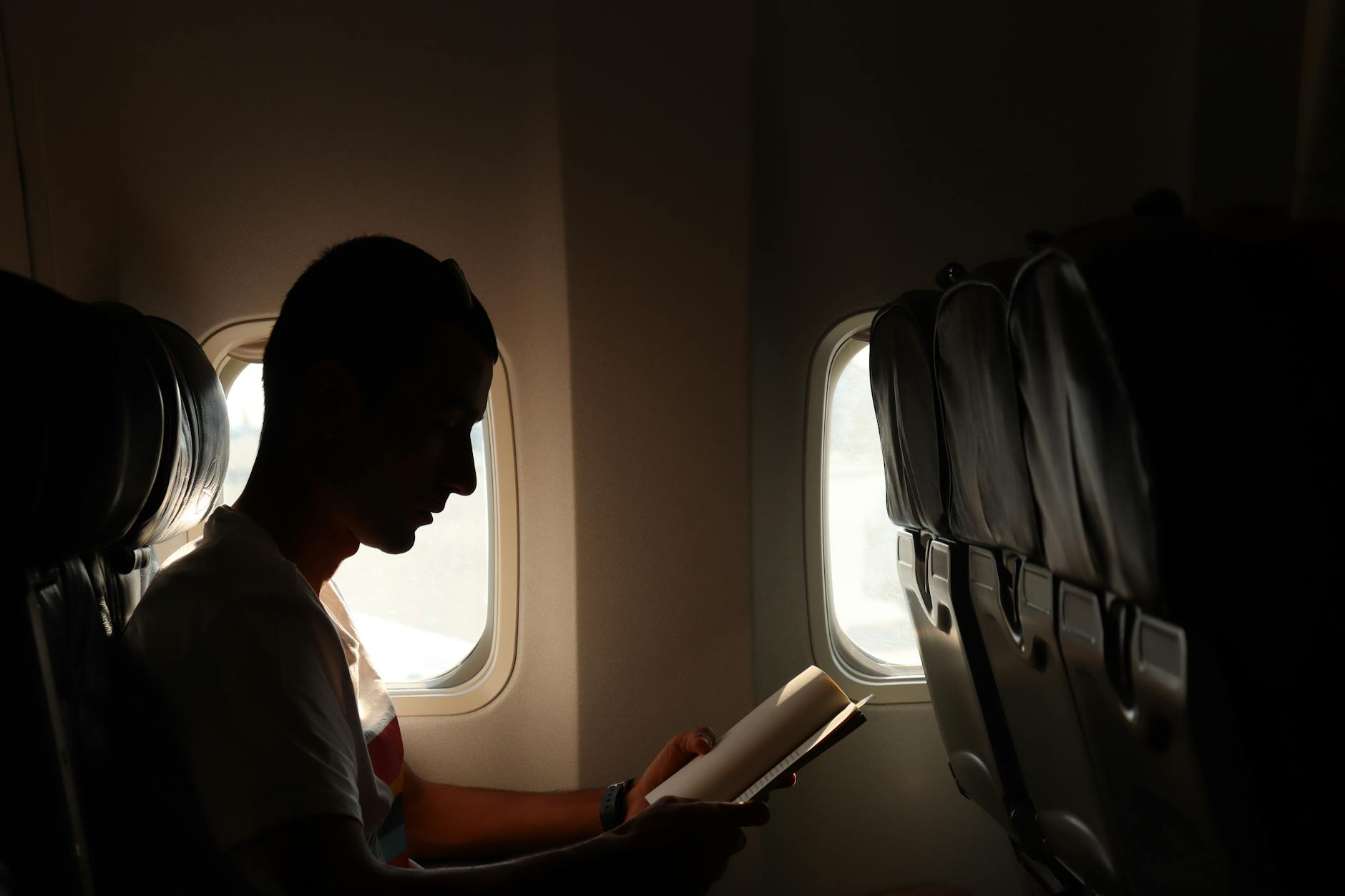
The introduction of drone-powered air travel is set to transform the way travelers book flights. With the potential for more direct routes and reduced travel times, travelers may find new options for reaching their destinations more efficiently. This could lead to changes in how airlines schedule flights and manage bookings, offering more flexibility and convenience to passengers.
As drones become a part of commercial air travel, booking platforms will need to adapt to accommodate these new flight options. This may involve integrating real-time data on drone availability and flight paths, allowing travelers to make informed decisions based on the most efficient routes available.
The shift towards drone flights may also impact pricing models for air travel. With the potential for reduced operational costs, airlines might offer competitive pricing for drone flights, attracting a broader range of travelers. However, the initial investment in drone technology and infrastructure could also influence pricing strategies.
- Look for airlines offering drone flight options.
- Use booking platforms that provide real-time drone flight data.
- Consider the potential cost benefits of drone flights.
Impact on Airport Infrastructure and Operations
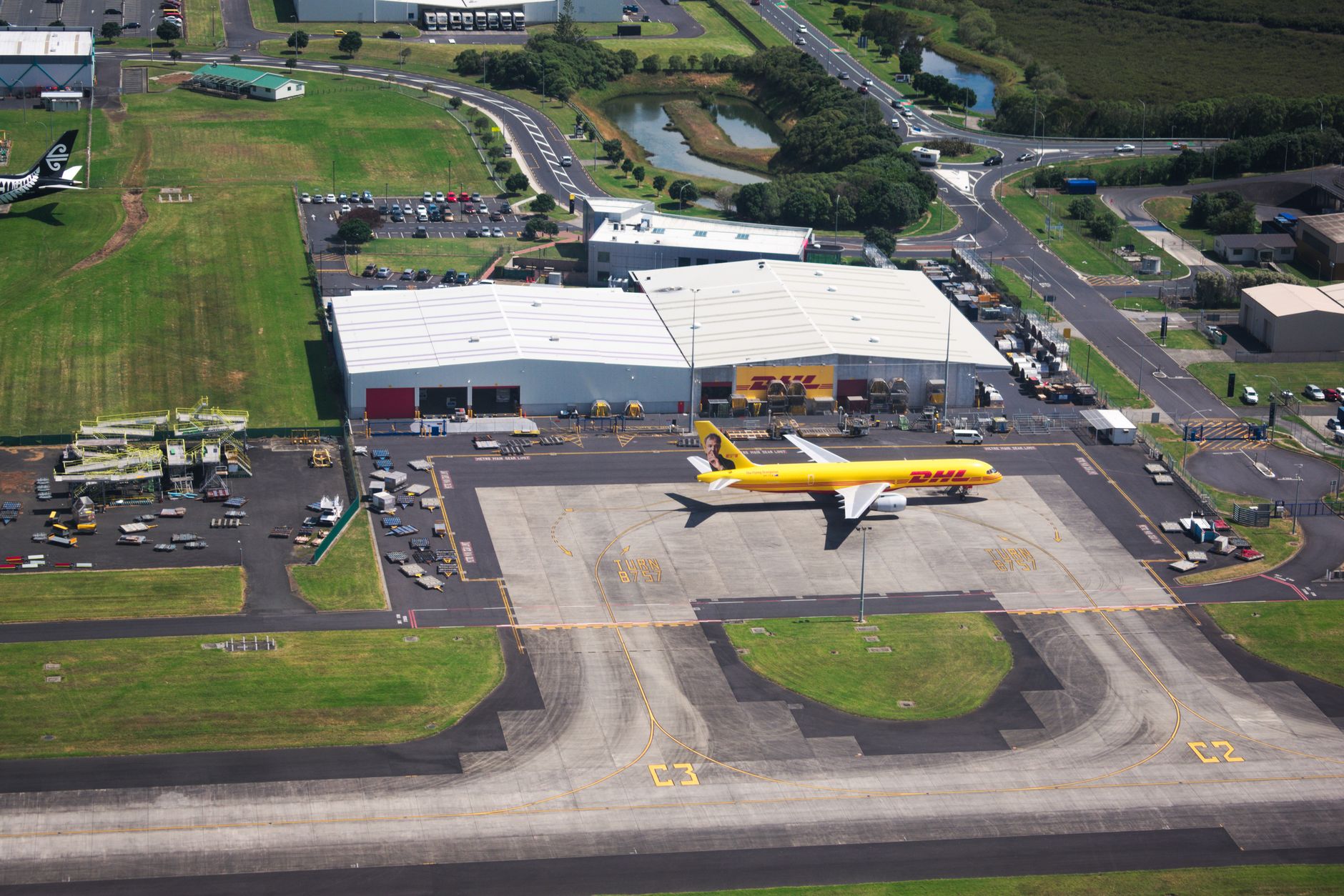
The integration of drones into air travel will necessitate significant changes in airport infrastructure and operations. Airports will need to accommodate the unique requirements of drone flights, including specialized landing and takeoff areas, maintenance facilities, and charging stations for electric drones.
Drone-powered air travel could lead to more efficient airport operations, as drones may require less space and resources compared to traditional aircraft. This could result in streamlined processes for passenger check-in, boarding, and baggage handling, ultimately enhancing the overall travel experience.
Airports will also need to invest in advanced air traffic management systems to handle the increased complexity of managing both traditional aircraft and drones in shared airspace. This will involve upgrading existing technologies and training personnel to ensure the safe and efficient operation of drone flights.
- Monitor airport developments related to drone infrastructure.
- Expect changes in airport operations due to drone integration.
- Stay informed about new air traffic management technologies.
Potential Benefits and Challenges of Drone Air Travel
Drone-powered air travel offers numerous potential benefits, including reduced travel times, increased accessibility to remote areas, and more efficient use of airspace. By providing more direct routes, drones can minimize fuel consumption and lower carbon emissions, contributing to more sustainable air travel.
However, the adoption of drone technology in air travel also presents challenges. Safety and privacy concerns are at the forefront, as drones must operate in shared airspace without compromising passenger security. Additionally, the development of international regulations and standards is necessary to ensure the safe and efficient integration of drones into global air travel networks.
The success of drone-powered air travel will depend on addressing these challenges while maximizing the benefits. As the technology continues to evolve, ongoing collaboration between governments, aviation authorities, and technology developers will be crucial in shaping the future of air travel.
- Consider the environmental benefits of drone flights.
- Stay informed about safety and privacy measures for drone travel.
- Understand the regulatory challenges facing drone air travel.
Preparing for the Future: What Travelers Need to Know
As drone-powered air travel becomes a reality, travelers need to prepare for the changes it will bring. Understanding the impact of drones on air travel is crucial for making informed travel decisions. This includes staying updated on the latest developments in drone technology and regulations, as well as being aware of new flight options and pricing models.
Travelers should also be prepared for changes in airport operations and infrastructure. As airports adapt to accommodate drone flights, passengers may experience new procedures for check-in, boarding, and baggage handling. Being aware of these changes can help travelers navigate the evolving landscape of air travel more smoothly.
Finally, travelers should consider the potential benefits and challenges of drone-powered air travel. While drones offer the promise of more efficient and sustainable travel, safety and privacy concerns remain key issues. Staying informed and adaptable will be essential for travelers as they embrace the future of air travel.
- Stay updated on drone technology and travel options.
- Be prepared for changes in airport procedures.
- Consider both the benefits and challenges of drone air travel.